How the Orr Fellowship Keeps Indiana’s Talent Home
This article is part of a series of profiles of this year’s Mira Awards finalists across a variety of categories. Read about all of the 2026 Mira Finalists in our digital event program.
Orr Fellowship was a finalist for the Community Impact Award at this year’s Mira Awards, which recognizes an organization using technology and innovation as a force for good and strengthening communities while driving economic growth.
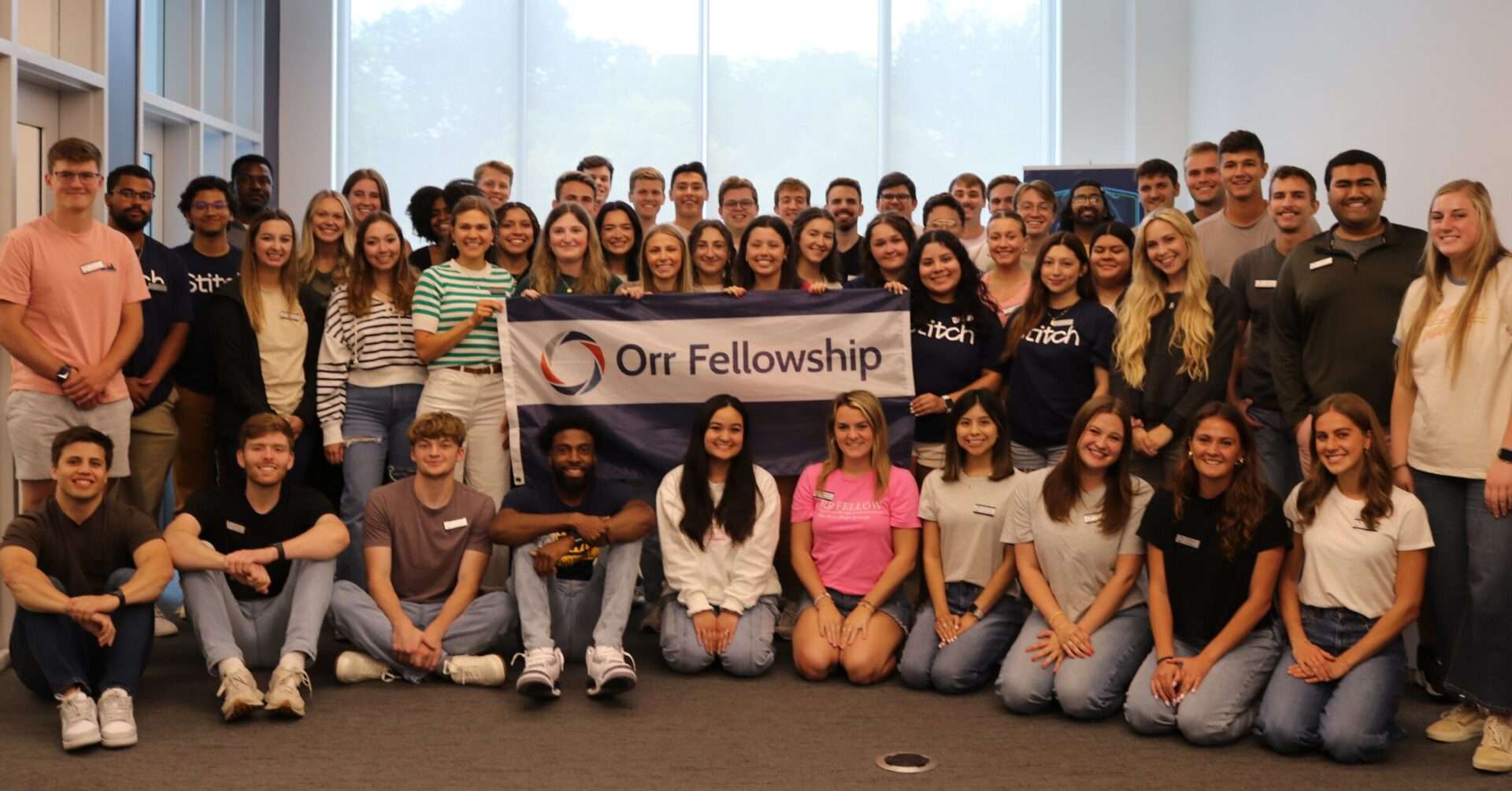
The program connects high-achieving college graduates with Indiana employers, through two-year fellowships built around early career roles, leadership development and long-term community engagement.
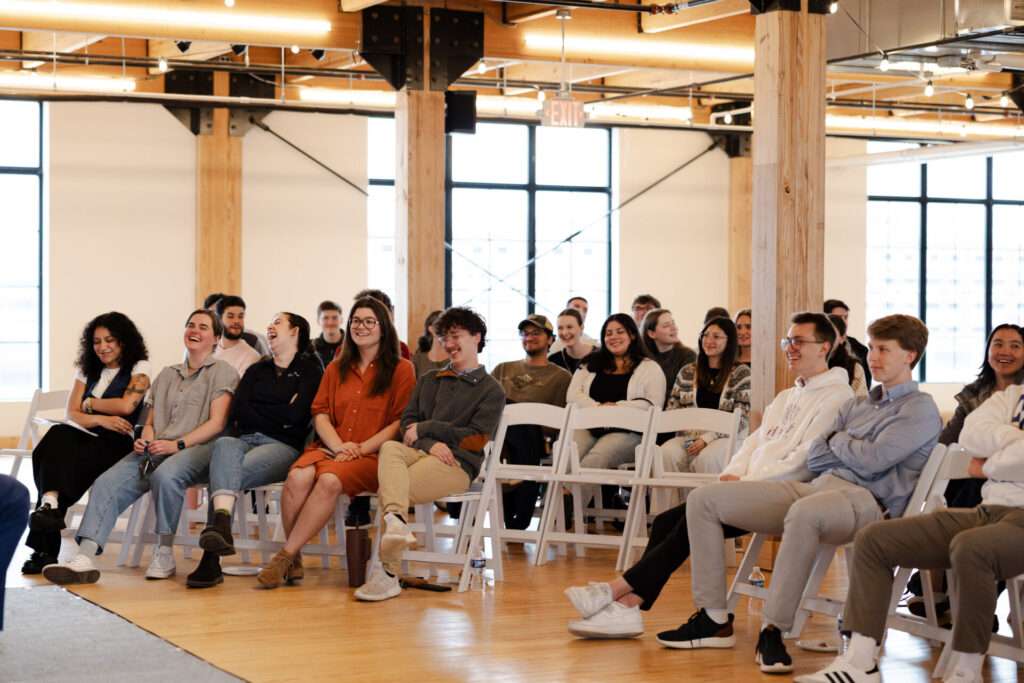
This year, the program grew its statewide reach and began using AI tools to improve recruitment, storytelling and candidate matching, leading to stronger talent retention, broader visibility and a more efficient pipeline between emerging leaders and Indiana employers.
The Problem It Was Built to Solve
Orr Fellowship started with a single goal: keep talented young people in Indiana.
Named after former Governor Bob Orr, the program launched in 2001 in response to a familiar challenge. Indiana universities were producing strong graduates, but too many of them were leaving the state for jobs elsewhere. Orr Fellowship was built to close that gap, pairing top-tier college graduates with Indiana companies for a two-year fellowship designed to make the state a destination, not a stopover.
Students and employers were often working against each other without realizing it. Graduates left Indiana because they didn’t see enough opportunities here, while employers didn’t always know the talent coming out of Indiana universities or have roles built to use it well. Orr Fellowship set out to close that gap from both directions.
Learning to Stand on Your Own After Graduation
College rarely prepares students for what comes right after it. Undergrad comes with structure and a cohort of people moving through the same timeline. Stepping into the workforce can feel like that structure disappears overnight.
Orr Fellowship gives new graduates a faster way to adjust, with fellows and mentors guiding them through that shift. The program is built around the idea of failing forward, encouraging fellows to learn from early missteps and grow more resilient because of them.
Fellows don’t have to stay locked into their undergraduate field, either. Someone with a background in one sector can use the fellowship to explore another entirely. As long as a fellow is willing to learn and put in the effort, Orr Fellowship and Indiana’s broader economic ecosystem open doors to different career paths.
From Iowa to Indianapolis: An Alumnus’s Path
Blake Sproles Van Der Kamp came to Indiana from Iowa. He finished his undergraduate degree at Iowa State University, majoring in Agricultural Communications, International Agriculture, and Public Relations. As a rising senior he decided that he wanted to build a life in Indiana with his spouse. A friend told him about Orr Fellowship, and he knew right away it was the opportunity he needed.

His background was in agriculture, but Blake wanted to work in marketing, and the fellowship gave him a way in. He now works at Liberty Fund and has earned a master’s degree in strategic communications from Butler University. He points out that students are often taught to focus on a job title without understanding what the role actually involves. Orr Fellowship places fellows with companies chosen to fit them well, and for Blake at Liberty Fund, that meant learning that a title doesn’t define the work. Honest effort does.
His advice to future fellows and current students is straightforward: no one has it all figured out, and anyone who looks like they do probably doesn’t. Everyone is doing the best they can with what they have. Leaning into that, and getting comfortable outside your comfort zone, is what helps people go further.
What It Takes to Be an Orr Fellow
To be an Orr Fellow is to be humble, hungry and people smart. Fellows come in ready to learn, not to prove they already know everything. When they don’t have an answer, they go looking for it, trusting that value and insight can come from anywhere. And they build real relationships, meeting people where they are.
Bringing AI Into the Process
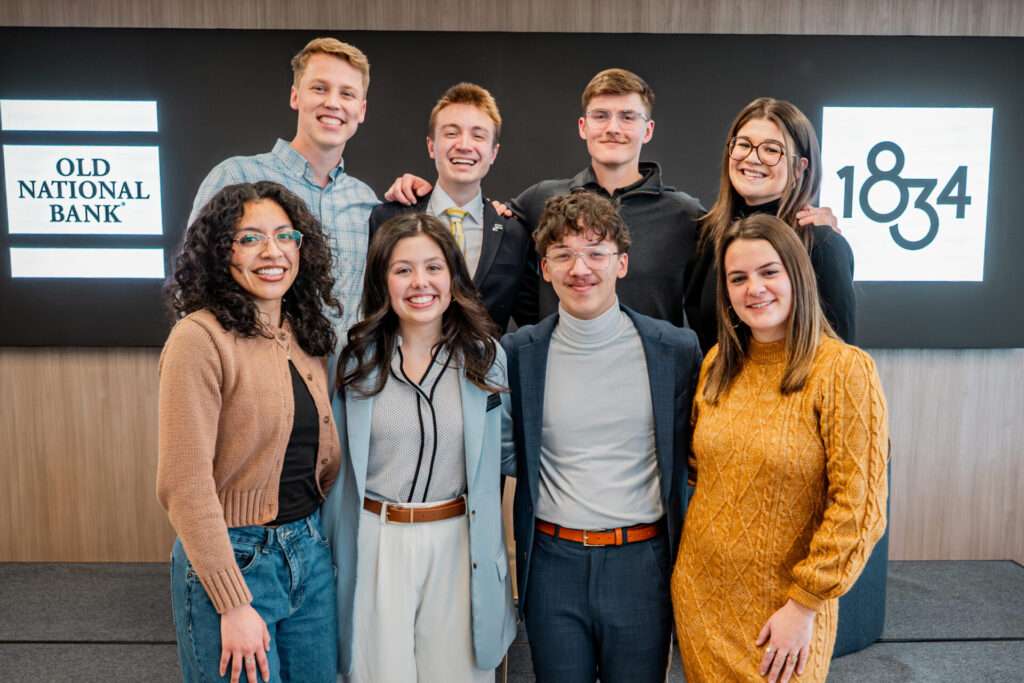
In recent years, Orr Fellowship began using AI in its application review process. Previously, current fellows reviewed every application by hand, reading each essay to understand which companies would be the best fit for each applicant.
AI now helps quantify applicant resumes and essays, while the Predictive Index, a behavioral assessment tool helps the team understand each applicant’s personality. Rather than replacing that human review, AI has become another data point in the fellowship’s toolkit.
Getting there took time. The Orr Fellowship team spent about three years figuring out how to make the process faster and more thorough for both applicants and the fellows reviewing them. In the 2024-2025 application cycle, that work paid off: AI-supported review saved the fellowship close to 250 hours and roughly $8,000 in staff time. Even with that gain, Orr Fellowship has stayed focused on building a process that remains safe and ethical for fellows, current and future, and for the companies that partner with them.
Orr Fellowship’s shift toward AI-supported review reflects a broader question facing Indiana employers: how to evaluate early-career talent faster without losing the judgement that makes a good match. For a program built on connecting graduates to the right opportunity, not just any opportunity, that balance is the whole point.
Want to see the full list of this year’s honorees? Check out the 2026 Mira Awards digital program here.