Students Develop AI and Energy Solutions at MISO Xtern Challenge
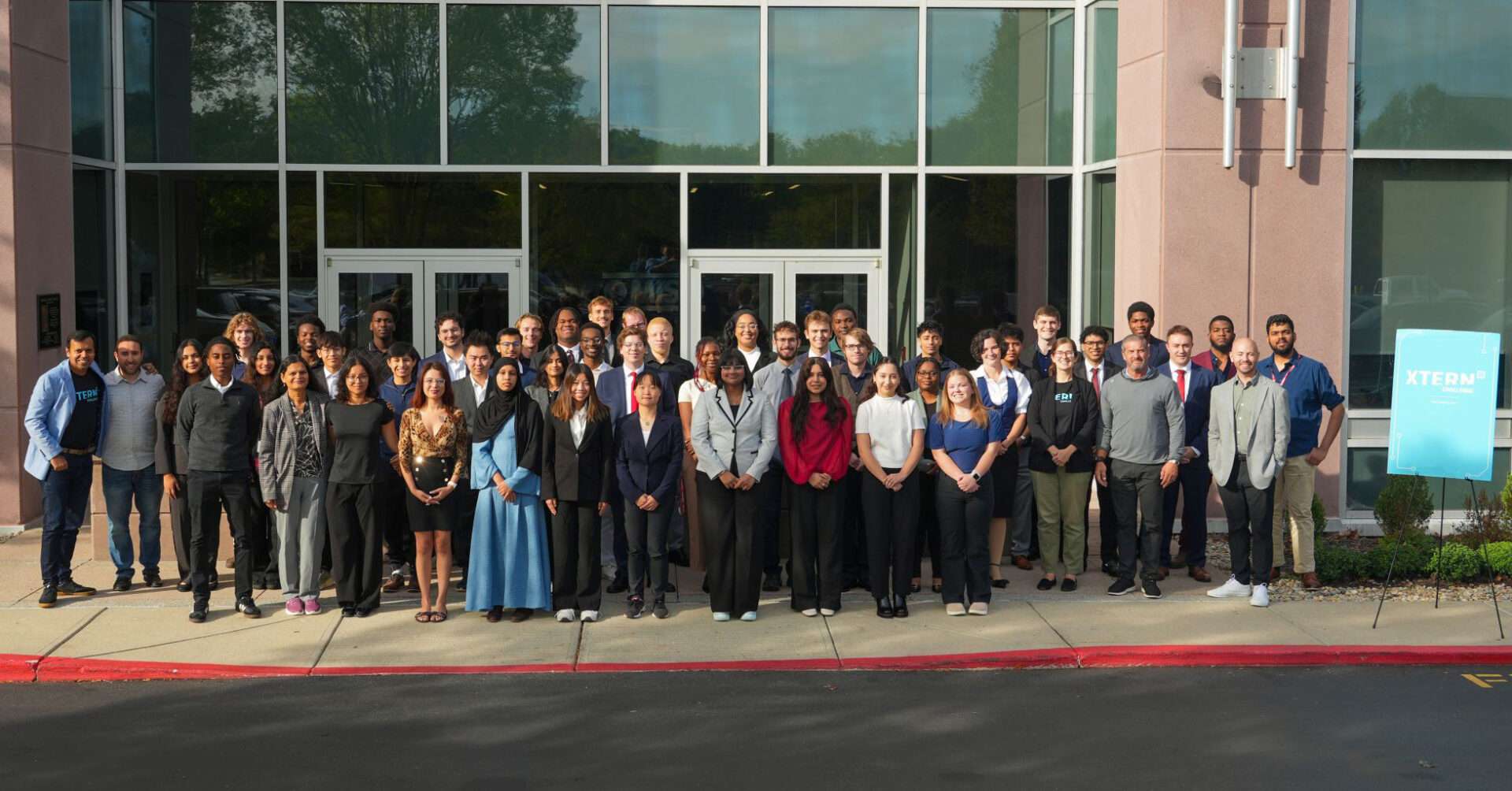
TechPoint selected 50 college students from 135 applicants for its latest Xtern Challenge, a work-based learning competition hosted in partnership with MISO at the company’s Carmel headquarters September 10 and 11.
The event marked TechPoint’s second Xtern Challenge with MISO, building on the partners’ first competition in 2025.
After more than two weeks of remote collaboration, 10 teams composed of students from 14 universities came together for two days of mentorship, career exploration and final presentations. Students worked on real business challenges facing MISO and the energy industry while meeting the company’s hiring managers and executives.
MISO (Midcontinent Independent System Operator) manages the electric grid across the central United States and helps ensure reliable power for 45 million people. Its team operates the grid, manages an energy market and plans for the industry’s future through technology and research. The Xtern Challenge gave students an opportunity to see how that work happens while demonstrating their technical, analytical and communication skills.

“What I really see students getting out of this program is not just learning about our industry and our problems, but learning how to interact as professionals and be part of a professional environment, interacting with our leaders, our subject matter experts, our analysts and data scientists so not only can they see a future career path but they also learn valuable skills they can take forward into any future career.”
Two Challenges Facing the Energy Industry
Together, MISO and TechPoint developed two prompts for the competition. The first, Intelligent Navigation of MISO’s Public Information, asked students to build an AI tool that could make public data on MISO’s website easier to find, understand and use. Teams needed to serve users with different levels of technical experience while reducing routine information requests handled by MISO’s customer service and External Affairs teams.
The second prompt, Large Loads, focused on the rapid growth of major energy users across MISO’s footprint. Teams analyzed a synthetic dataset showing rising electricity use, researched the energy industry and recommended how MISO could respond while preserving grid reliability.
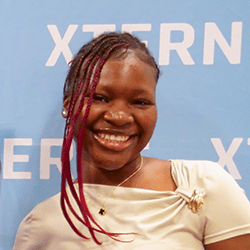
“I gained a lot of skills through XTERN Challenge. Not just technical skills but also soft skills like working with a team of students from different universities. Just working together and coming up with something great. Having to present it together, coordination, and time management.”
An Inside Look at MISO
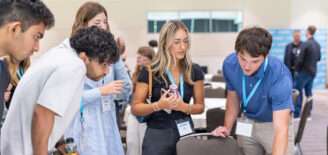
The in-person experience began on Thursday with a welcome from MISO and a final question-and-answer session on the prompts. Students then spent much of the first day refining their projects with MISO mentors available on site. They also toured the headquarters and participated in networking sessions with managers from across the company, giving them time to learn about MISO’s work and potential career paths.
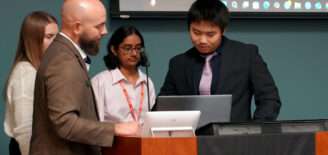
Day two opened with an executive breakfast and panel. Each team then completed a full practice session and technology check before presenting to MISO judges, internship hiring managers and company executives. The format gave students experience explaining complex work to both technical experts and business leaders, an important skill in any technology career.
MISO said many of this year’s participants are already progressing toward internship or co-op roles with the company. That recruiting connection made the Challenge more than a case competition. Students could demonstrate how they collaborate, respond to feedback and communicate under pressure before applying those skills in a workplace.

“Programs like XTERN Challenge are a perfect opportunity for students to gain the skills that employers are looking for today. AI has changed the game in terms of technical skill and requirements. What’s more important are the durable skills like communication, teamwork, project management, working together, working in a new place, having timelines, and that’s exactly what programs like XTERN Challenge do, and why we’re so excited to partner with MISO to make this a reality.”
Results and Recognition
After all 10 teams presented, MISO judges recognized first-, second- and third-place teams, an honorable mention and one student who exemplified the company’s core values. Students on the top three teams received cash prizes.
First Place: Team 5 (Prompt 1)
Ria Nimbkar (Purdue University), Bryant Aguirre (University at Buffalo), Rohit Rao (Purdue University), Daniel Riggle (Indiana University Bloomington), Rifaya Riazuddeen (Indiana University Indianapolis)
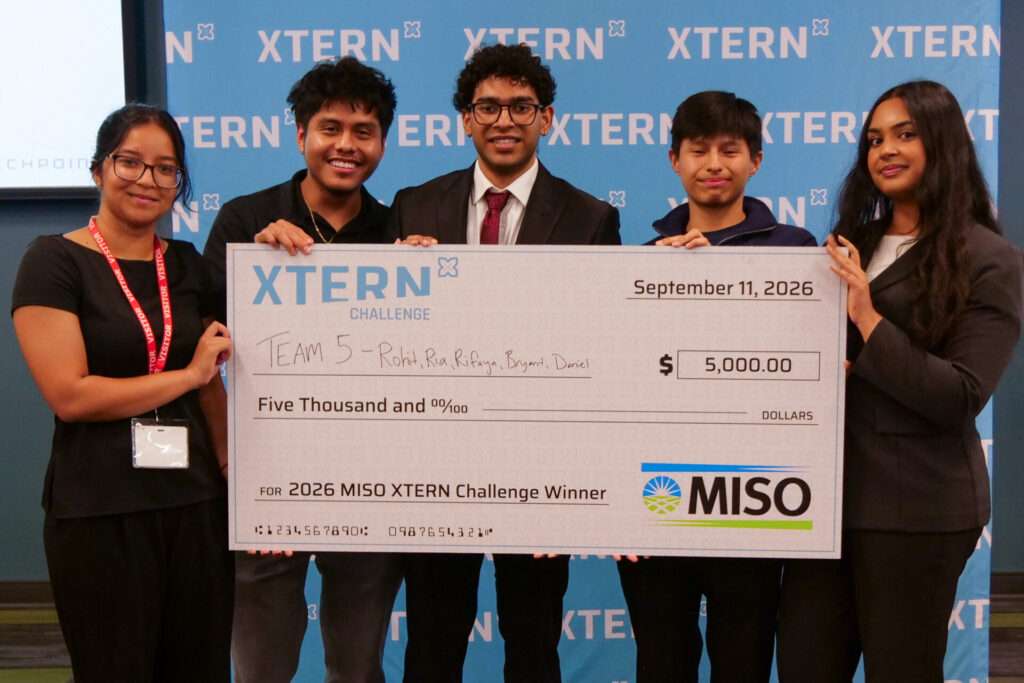
Team 5 earned first place with MISO Bridge, a personalized AI assistant designed to help users explore MISO information based on their role, experience, region and technical comfort. Users could ask questions in plain language, receive source-linked answers and continue the conversation without repeating context they had already provided.
The team designed the tool around several types of users, including experienced energy professionals, people new to the industry who may be nontechnical, and employees preparing information for colleagues. Team members demonstrated how MISO Bridge could adjust explanations, create charts and schedule recurring updates. During the final presentation, audience members could scan a QR code and participate in the live demonstration.
Want to participate in the next XTERN Challenge? Join the mailing list.
Sign UpSecond Place: Team 8 (Prompt 2)
Alexander Balon (Indiana University Bloomington), Kenneth Enow Jr. (Purdue University), Brionna Morris (Indiana University Indianapolis), Tatum Hadley (Ball State University), Jonathan McCoy (Franklin College)
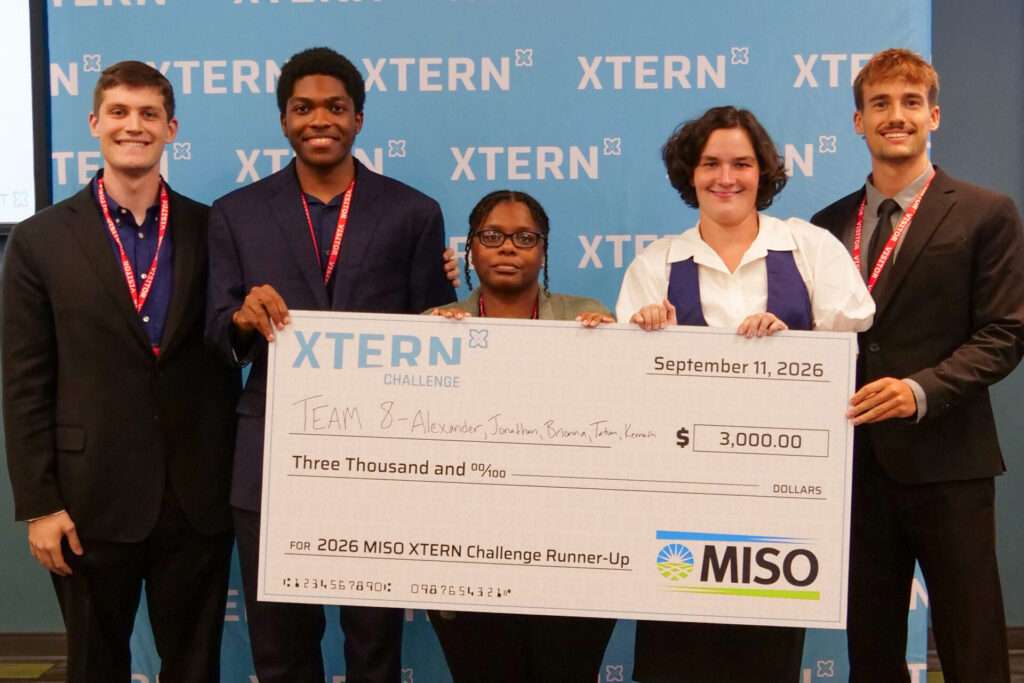
Team 8 took second place with the Delivery Assurance Check, a proposed safeguard for serving large energy users. The proposal would build on MISO’s existing structure, confirming that the necessary grid infrastructure is on track before a planned increase in power use takes effect.
Under the team’s recommendation, MISO would study any full planned increase once, then check the critical assumptions supporting each future increment shortly before it activates. If an infrastructure project has been delayed, MISO could reconsider the planned increase without impacting service that the existing grid can already support. This helps ensure new demand does not outpace the grid’s ability to serve it reliably.
The team supported their recommendation with research into concentrated large-load growth, generator delivery delays and changes to projected transmission in-service dates.
Third Place: Team 3 (Prompt 1)
Colleen Li (Purdue University), Campbell Reed (Ball State University), Vansh Bhardwaj (Texas State University), Inioluwa “Tina” Oyatobo (Indiana University Indianapolis)
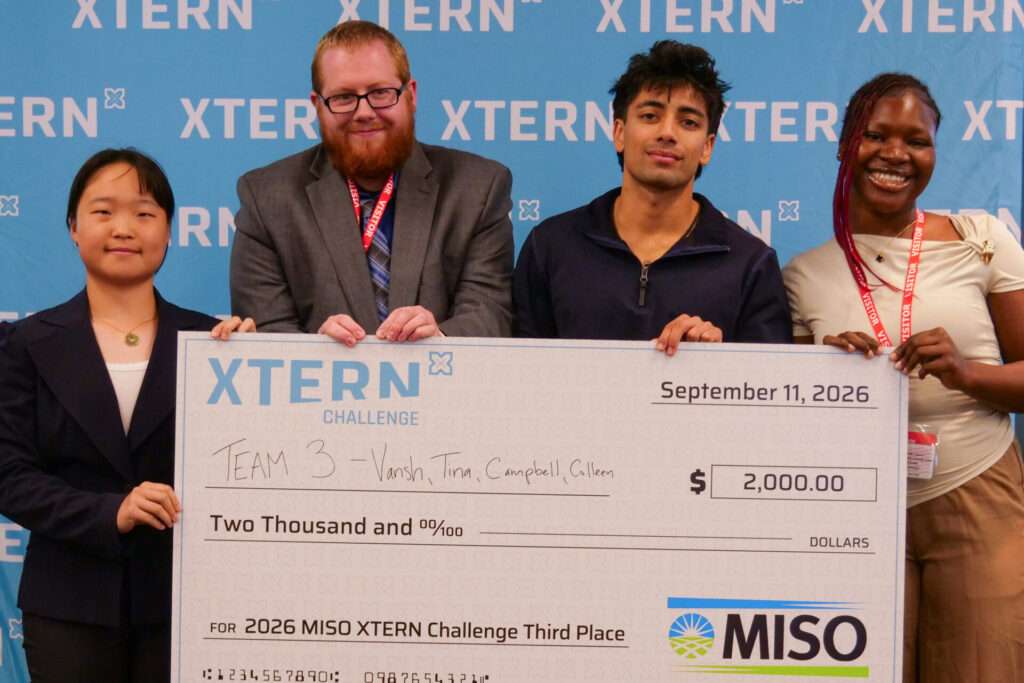
Team 3 placed third with RAMEN, an AI assistant designed to help technical and nontechnical users navigate MISO’s public information. The team conducted interviews with MISO employees and built the tool around the needs of market participants, transmission owners, interconnection customers and other groups that use the organization’s data.
RAMEN grounds its responses in MISO’s public APIs and documents, provides sources and timestamps and acknowledges when it does not have enough evidence to answer a question. The design also includes a fallback when an API is unavailable and a process for escalating unresolved information needs. Those guardrails help users find relevant information without sacrificing accuracy or transparency.
Honorable Mention: Team 4
Kelvin Ohaya (Indiana University Indianapolis), Heer Soni (Indiana University Bloomington), Tavarence Green (Purdue University),
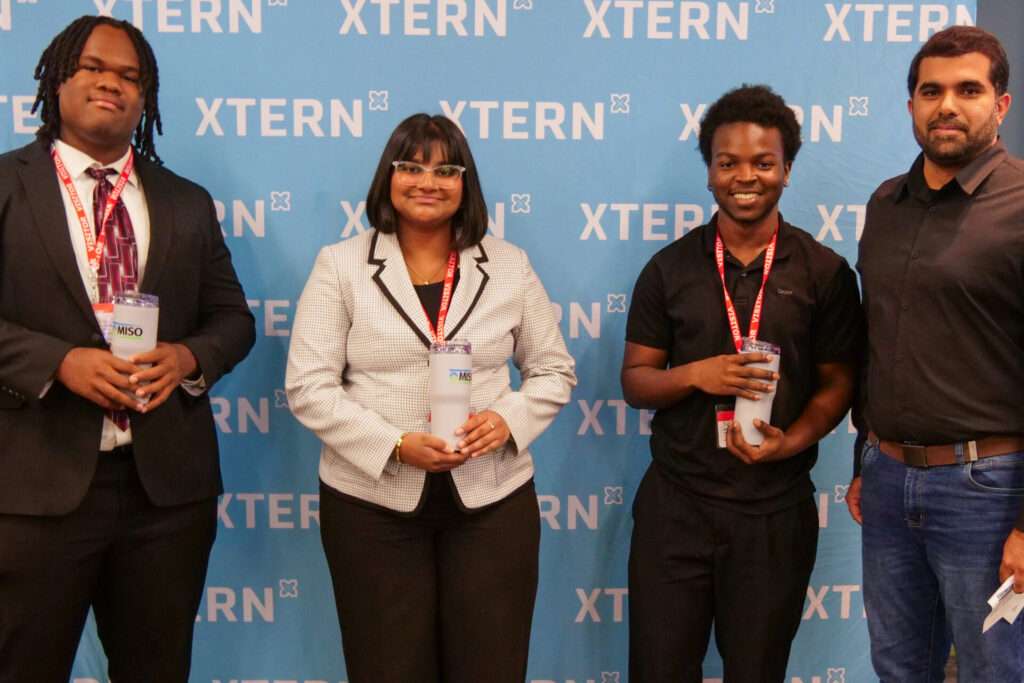
Team 4 received an honorable mention for PowerPath, a natural-language assistant designed to support public users, MISO customer service representatives and External Affairs staff. Public users could ask questions without knowing MISO terminology or technical terms, receive explanations supported by official sources and explore suggested follow-up questions.
When PowerPath could not resolve a request, it could create a support ticket containing the user’s conversation, relevant sources and a recommended department. Customer service staff could review earlier questions, track the request and use AI to prepare a draft response for human approval. The team also outlined how the concept could eventually connect with systems including Microsoft Dynamics 365, ServiceNow and Outlook.
MISO Core Values Award
Ava Costanzo (Purdue University)
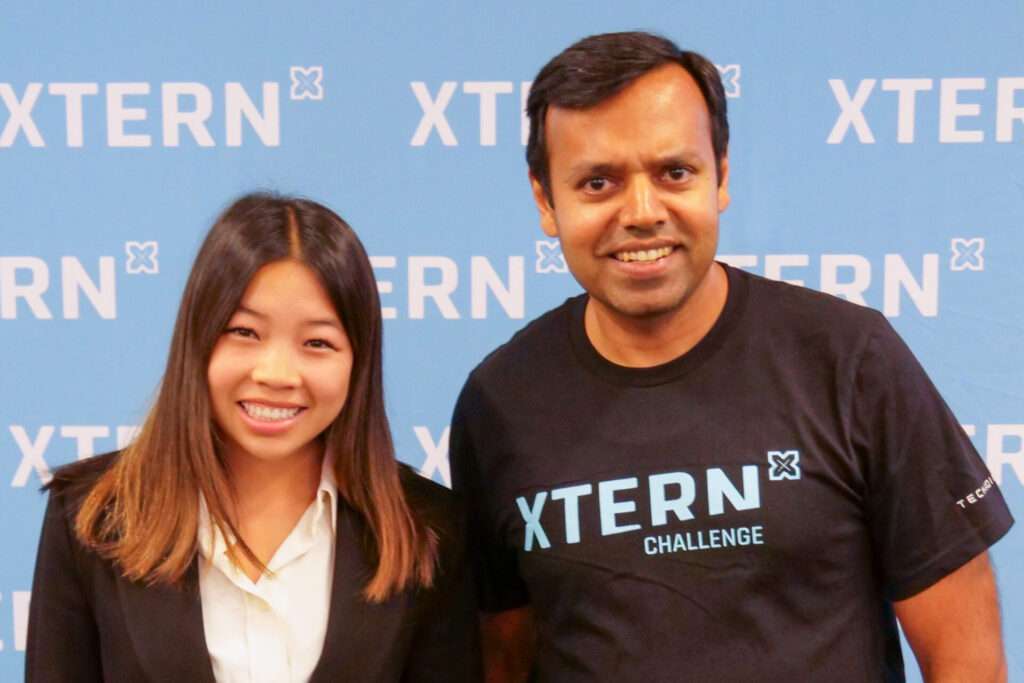
MISO recognized Ava Costanzo of Team 10 for exemplifying the company’s core values of integrity, commitment, collaboration, creativity and adaptability throughout the Challenge.
MISO’s Core Values
Integrity: We say what we do and do what we say.
Commitment: We embrace MISO’s mission, vision and goals.
Collaboration: We actively seek to understand diverse voices and be inclusive.
Creativity: We craft innovative solutions to create value.
Adaptability: We are self-motivated and flexible to change as we learn about our industry and profession.
Building Experience Before Graduation
Xtern Challenge gives students experience that is difficult to recreate in a classroom. Participants learn to collaborate with teammates from other universities, tackle real business challenges, work directly with industry experts and present recommendations to the people closest to the problem.
MISO employees were active partners throughout the experience, answering questions, sharing expertise and helping students understand complex challenges in the energy industry. That hands-on guidance gave teams the context they needed while leaving them responsible for shaping and defending their own solutions.
The collaboration may continue beyond the event. MISO is exploring ways to further develop two student projects, and many participants are now on track for co-op or internship roles with the organization.
That combination of real work, direct mentorship and career access is what Xtern Challenge is designed to create. Through employer partnerships such as this one, TechPoint connects students with technology careers while giving companies an early look at emerging talent.
Want to Participate in the Next Xtern Challenge?
Join the mailing list to be notified when opportunities are available. You’ll also be the first to hear about Xtern roles, events and other opportunities.